How the Site Works: Ascend's mission is to take the pain out of personal finance for everyone. Not everyone who comes to our site is currently best fit for the Ascend product, so we spend a great deal of time and effort finding partners that we hope will be beneficial to you.
How We Make Money: Our partners sometimes compensate us in the way of advertising. Some partners we recommend pay us referral fees for sending them new customers. If you click through an application link on our site and end up receiving the service, we may receive compensation when your application is approved, and you move forward with this product. Each partner is vetted based on the following criteria:
Yes, you can rent an apartment during or after bankruptcy, but it may be more challenging depending on your credit, income, and timing. Ascend specializes in this question as 392,000+ people have taken Ascend's free bankruptcy calculator and 187,971 (47.9%) of those individuals stated that they were renting.
Short explanation:
Filing bankruptcy does not legally prevent you from renting. However, because it impacts your credit profile, landlords may view you as a higher risk. That said, many renters successfully secure housing by demonstrating financial stability after filing.
Example:
Someone who recently filed Chapter 7 but has a steady job and can pay a larger security deposit may still get approved for an apartment.
It can be helpful to plan your housing situation before filing, but it’s not always required.
While some people lock in housing before filing to avoid complications, others may need to relocate during Chapter 13 or after a Chapter 7 discharge. Flexibility and preparation are key.
Many people worry about renting after bankruptcy because of credit concerns and uncertainty about how landlords will evaluate them.
Housing is a basic necessity, so it’s normal to feel anxious about how bankruptcy could impact your ability to find a place to live. This concern is especially common for renters who may need to move soon.
A renter considering bankruptcy might delay filing because they are unsure if they will be able to qualify for a new lease in the next year.
First, let's discuss whether you can rent an apartment in or after a Chapter 7. If you are unsure what the differences are between bankruptcies or which one may work better for you, you can understand the key differences in this article or watch this recent Chapter 7 vs Chapter 13 YouTube video Ascend just recently shot. Then let's discuss renting in Chapter 13, because this is where people usually have the most questions about moving while they're in a repayment plan.
Based on my personal experience, renting after bankruptcy is actually very easy and not as challenging as you may think. A lot of people are shocked when Ascend tells them how easy it actually was.
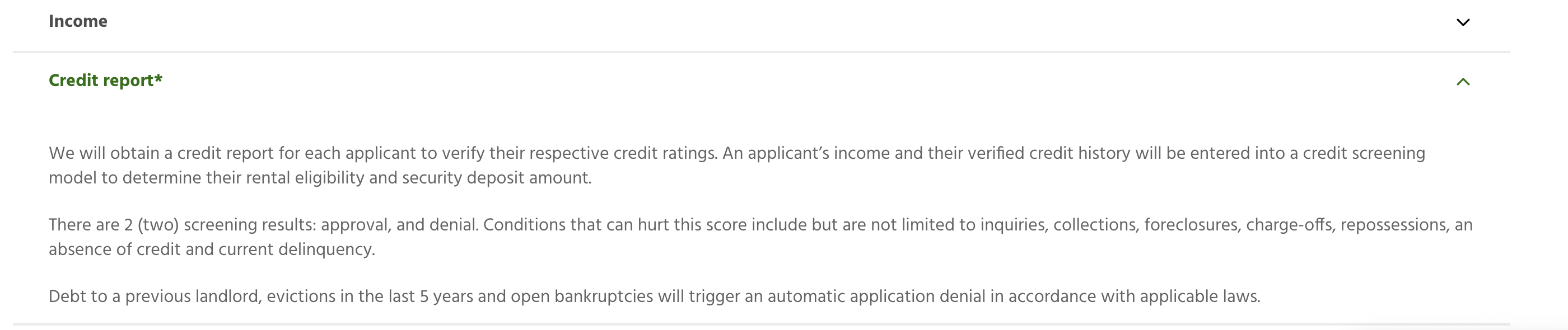
Your bankruptcy filing shows up on your credit report for seven to ten years, it is important to be upfront with a potential landlord. The landlord is going to find out about the bankruptcy, so heading it off is generally the best way to handle the situation.
Sometimes with bankruptcy your score may be lower than someone who had not filed bankruptcy. Because of this you may have to pay a larger security deposit if your bankruptcy has been discharged more recently. Rebuilding some credit post bankruptcy can really help improve your credit score which may lead to lower overall move in costs.
Being open and honest about your bankruptcy filing can help you get a head of it and set you up for success. If there were extenuating circumstances, such as losing your job, a sudden illness, accidental injury, or the loss of a spouse, explain the circumstances to the landlord. If you have made the most of your fresh start from bankruptcy by keeping your bills current, your landlord may see your bankruptcy in a different light.
Landlords understand that people are facing tough financial times. If they can see that you have a steady income and used your bankruptcy filing to get back on your feet, they may be more likely to rent to you. Many landlords may consider bankruptcy a good thing. You got rid of your unsecured debts, so now you have more income to devote to rent or lease payments.

While it may be difficult to purchase a home in a Chapter 13 bankruptcy, you may find help with renting an apartment.
Whether you need to ask permission may depend on the state. For example, in Minnesota, the court does not require you to obtain permission to obtain consumer credit or enter into a residential lease.
A few things to keep in mind when renting during a Chapter 13 case:
Talking to your bankruptcy attorney is strongly recommended before you enter a rental agreement during Chapter 13. The unique facts of your case could change the process of renting or leasing a home during Chapter 13.
One reason people struggle during a Chapter 13 repayment plan is that their payments are too high. If you move and your rent goes up, that potentially could make things feel even tighter. Which can ultimately lead to a bankruptcy dismissal instead of a discharge.
Before committing to a plan, it's smart to compare all of your options. Ascend built a free calculator to help you do exactly that. You can try it out for yourself below.
Not all Chapter 13 bankruptcies are the same. While it may make sense for one person, it may not make sense for another. There are precautions that you need to take to ensure that you're following all the rules of your bankruptcy and that you're not setting yourself up for a potential payment increase, or worse: dismissal.
It may be more challenging to find a landlord willing to rent a home or apartment to you after a bankruptcy, but it is possible. Some tips to keep in mind when renting after bankruptcy include:
The Bottom Line — You can rent after bankruptcy, but it may take a little more work on your party. The good news is that you are in a better financial position to afford rent payments because you were able to get rid of your debts through a bankruptcy filing.

Filing bankruptcy to get rid of debts you cannot pay can help you take control of your finances. Most people file for bankruptcy because a life event that was out of their control caused a financial crisis.
If you have questions about filing Chapter 7 or filing Chapter 13, Ascend can help. Ascend has resources available that allow you to compare debt relief options. You can also check to see if you meet the income qualifications for Chapter 7 or estimate a Chapter 13 plan payment.
Call us at 833-272-3631 to discuss our services.
Ascend is here to help you choose a debt relief option that works for you. If you want to explore bankruptcy further, Ascend can help you locate a bankruptcy attorney near you that offers free bankruptcy consultations.





 Yes
Yes No
No