

How Can I Set Myself Up for Success After Bankruptcy Discharge?
Filing bankruptcy gave me a financial reset. The next challenge was building habits that would help me protect that fresh start.
I filed bankruptcy in July 2022. I still believe it was one of the best decisions I made for my future.
But discharge was not the finish line. It was the point where I could finally see my finances clearly and begin making different decisions.
For many people, bankruptcy is the last option they would ever consider. Some view it as such a personal failure that they will not evaluate it, even when it may provide meaningful relief.
My experience was different from the worst-case picture I had built in my mind. Bankruptcy became an effective reset after years of financial stress, and I had a positive overall bankruptcy experience .
Many people ask, “How do I make sure I never need to file bankruptcy again?”
I cannot guarantee that for myself or anyone else. Job loss, medical costs, family emergencies and broader economic changes can create financial problems that are not fully within a person’s control.
What I can explain is what I did after discharge to become more aware of my finances and better prepared for future problems.
My Four-Step Post-Bankruptcy Plan
These are the four practical changes that helped me move from reacting to financial problems to actively monitoring them.
| Step | What I Did | Why It Helped |
|---|---|---|
| Organize bills | I created a spreadsheet with every account, payment amount and due date, then added important dates to my calendar. | I stopped relying on memory and reduced the chance that a growing number of accounts would cause me to miss a payment. |
| Track cash flow | I reviewed all income and spending instead of only asking whether I had enough money to cover that month’s bills. | I found more than $250 per month in streaming subscriptions I rarely used—more than $3,000 per year. |
| Review credit reports | I checked how discharged accounts and balances were being reported after the case. | I identified accounts that appeared to show incorrect balances or statuses and could take steps to investigate them. |
| Control new balances | I tried to keep new credit-card balances low and address any new debt before it became overwhelming. | A small setback did not need to become another long-term debt crisis. |
Four Steps I Used to Protect My Financial Fresh Start
Make a List of Every Bill and Due Date
I personally use an Excel spreadsheet to track my obligations, and I update it every month. I also place due dates on my calendar.
When I had only one or two accounts, remembering everything was relatively easy. Once I had three or more accounts, it became much harder to remember which payment was due, how much was owed and whether the account had already been handled.
My spreadsheet does not need to be complicated. The goal is to create one reliable location where I can see:
Information to Track for Each Account
- Creditor or service-provider name
- Account type
- Current balance
- Minimum or scheduled payment
- Payment due date
- Whether autopay is active
- Which bank account funds the payment
- Interest rate, when applicable
- Annual or monthly fees
- Payment confirmation or status
| Account | Due Date | Amount | Autopay | Status |
|---|---|---|---|---|
| Secured credit card | 5th | $40 minimum | Yes | Scheduled |
| Auto insurance | 12th | $165 | Yes | Scheduled |
| Mobile phone | 18th | $95 | No | Needs payment |
Track All Income and Expenses
After years of financial chaos, I found it extremely helpful to know exactly how much income came in each month and where that money went.
Before bankruptcy, I did not have a complete picture of my spending. I mainly knew the amount I needed to earn each month to cover the bills that demanded immediate attention.
After bankruptcy, I sat down and reviewed everything. I discovered that I was paying more than $250 per month for basic streaming subscriptions that I rarely used.
That was more than $3,000 per year going toward services that were not meaningfully improving my life.
Do Not Review Only the “Normal” Monthly Expenses
Include irregular costs such as vehicle repairs, annual insurance premiums, medical copays, school expenses, gifts, registration fees and home maintenance. A budget that ignores irregular expenses can look healthier than the household actually is.
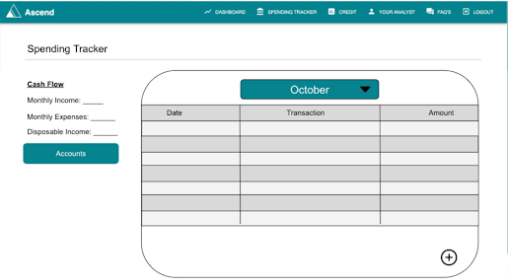
Use Ascend’s Free Fresh Start Portal
Ascend’s Fresh Start Portal was designed to help users enter monthly income and expenses, see where they stand each month and organize a post-bankruptcy financial plan.
Review All Three Credit Reports
During my bankruptcy, I received frequent alerts from credit monitoring applications because so many accounts were changing.
After the case was completed, I found items that appeared incorrect. Some accounts still showed balances that I believed should no longer have been reported as currently owed. Some accounts appeared open or were displaying a status that did not seem consistent with what had happened in the bankruptcy.
That does not mean every negative item should disappear after discharge. A bankruptcy and accurate pre-bankruptcy payment history may continue to appear for the period permitted by credit-reporting law.
The objective is to distinguish accurate negative history from information that is factually incorrect.
What to Review on Each Credit Report
- Your name, addresses and identifying information
- Accounts that do not belong to you
- Duplicate accounts
- Incorrect current balances
- Incorrect open or closed status
- Payments reported after an account was closed
- Incorrect delinquency dates
- Discharged debts shown as currently collectible
- Accounts included in bankruptcy
- Hard inquiries you do not recognize
Official Credit-Report Resources
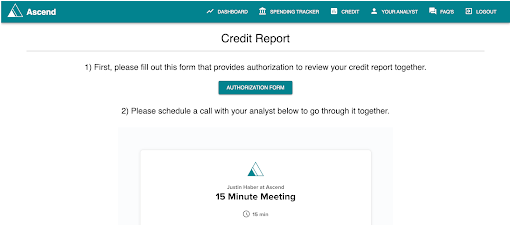
Use the official credit-report site to obtain reports from all three nationwide credit-reporting companies. If information is inaccurate, review the CFPB’s dispute instructions and sample letters.
A Discharge Does Not Automatically Delete Credit History
A bankruptcy discharge generally prevents collection of discharged debts, but it does not require every accurate account history or the bankruptcy record itself to disappear immediately from a credit report.
Dispute information because it is inaccurate—not merely because it is unfavorable.
Keep New Credit-Card Balances Manageable
Life still happens after bankruptcy. Medical expenses, major events, vehicle repairs and broader economic factors can lead to new balances.
I accumulated some new debt after bankruptcy as well. That was not the end of the world, but I knew I needed to address it quickly rather than ignore it.
When evaluating how to repay a new debt, I look at several variables rather than focusing only on the current balance.
I also consider whether the account is still being used, how much I can reliably pay each month and whether paying one balance first would improve the overall monthly cash flow.
The Ascend Fresh Start Portal can help track balances, projected payoff dates and possible next steps.
A Simple Routine for Staying on Track
Financial organization does not need to become a daily project. A recurring routine can identify most issues before they become emergencies.
Confirm which payments are due before the next paycheck and whether the funding account has enough money.
Update balances, confirm payments, identify unusual spending and cancel services that are no longer useful.
Compare current balances with the prior quarter and verify that the payoff strategy is producing measurable progress.
Review reports for unfamiliar accounts, incorrect balances, duplicate information or other potential inaccuracies.
Compare the APR, annual fee, monthly fee, credit limit and total cost before opening a new account.
Revisit the budget after an income change, medical event, move, vehicle problem or other major household expense.
Post-Bankruptcy Success Does Not Mean Nothing Ever Goes Wrong
I cannot eliminate every financial risk. I can lose income, experience a medical problem or encounter an unexpected expense despite making responsible decisions.
Success after bankruptcy means I am more likely to notice the problem early, understand the available cash flow and make a deliberate decision rather than avoiding the situation.
It also means I do not treat one financial setback as proof that the entire fresh start failed.
The system matters more than financial perfection.
The bill list, expense review, credit-report check and debt-payoff plan gave me a repeatable process. That process is what helps me respond when life becomes financially difficult again.
Frequently Asked Questions After Bankruptcy Discharge
These answers provide general educational information. Individual credit reporting and financial circumstances vary.
How soon should I check my credit report after bankruptcy?
You can review your reports during the case and again after discharge to see how accounts are being updated. There is no single date when every creditor must finish all reporting updates, so a later follow-up review may also be useful.
Should discharged accounts show a balance?
The reporting should accurately reflect the account and bankruptcy treatment. The CFPB’s credit-report review checklist specifically suggests checking whether debts discharged in bankruptcy show zero balances. Dispute information that you believe is inaccurate and include supporting documents.
Does bankruptcy remove all negative information from my report?
No. Accurate negative account history and the bankruptcy itself may remain for the period allowed by applicable credit-reporting law. A discharge prevents collection of discharged debts but does not erase every accurate historical record.
Should I open a new credit card immediately after discharge?
There is no single approach that is right for everyone. Before applying, review the annual fee, monthly fee, APR, deposit requirements, credit limit and whether the payment fits comfortably within the budget. Avoid applying merely because many offers arrive after bankruptcy.
What if I accumulate debt again after bankruptcy?
A new balance does not automatically mean the fresh start failed. Stop the balance from growing, identify what caused it, review the interest rate and fees, and create a repayment plan while the amount is still manageable.
Can a creditor collect a debt that was discharged?
A bankruptcy discharge generally prohibits collection of discharged debts. Some debts are not discharged, and case-specific issues can arise. Contact a bankruptcy attorney if a creditor is attempting to collect a debt you believe was discharged.
Is there a way to guarantee I will never file bankruptcy again?
No system can eliminate every risk. Job loss, illness and other major events may occur despite careful planning. A strong monitoring and savings system can reduce risk and improve how quickly you respond to a financial problem.
Build Your Next Financial Plan
Debt is not an easy subject to discuss, and there is no single solution that fits every person. Ascend provides free tools to help you organize your finances, compare debt options and decide what questions to ask next.
Even if you have already gotten out of debt and later encounter another financial problem, you are not alone.
John’s story reflects his personal bankruptcy and post-discharge experience. It should not be interpreted as a guarantee of credit-score improvement, future borrowing eligibility or another person’s financial outcome. Ascend does not provide legal or financial advice.
 Yes
Yes No
No