

American Relief Organization Reviews: 5 Things to Know
American Relief Organization markets debt negotiation and debt-resolution services through advertisements and educational content. Its website now states clearly that its services are powered by Americor.
Americor is a for-profit debt-resolution company. The program is generally a form of debt settlement—not a new consolidation loan—and may involve stopping normal payments to enrolled creditors while funds accumulate for negotiated settlements.
1. How Are American Relief Organization and Americor Connected?
American Relief Organization’s current website says that its debt consolidation and debt-resolution services are powered by Americor. Americor’s own website also links consumers seeking debt-relief assistance to American Relief Organization.
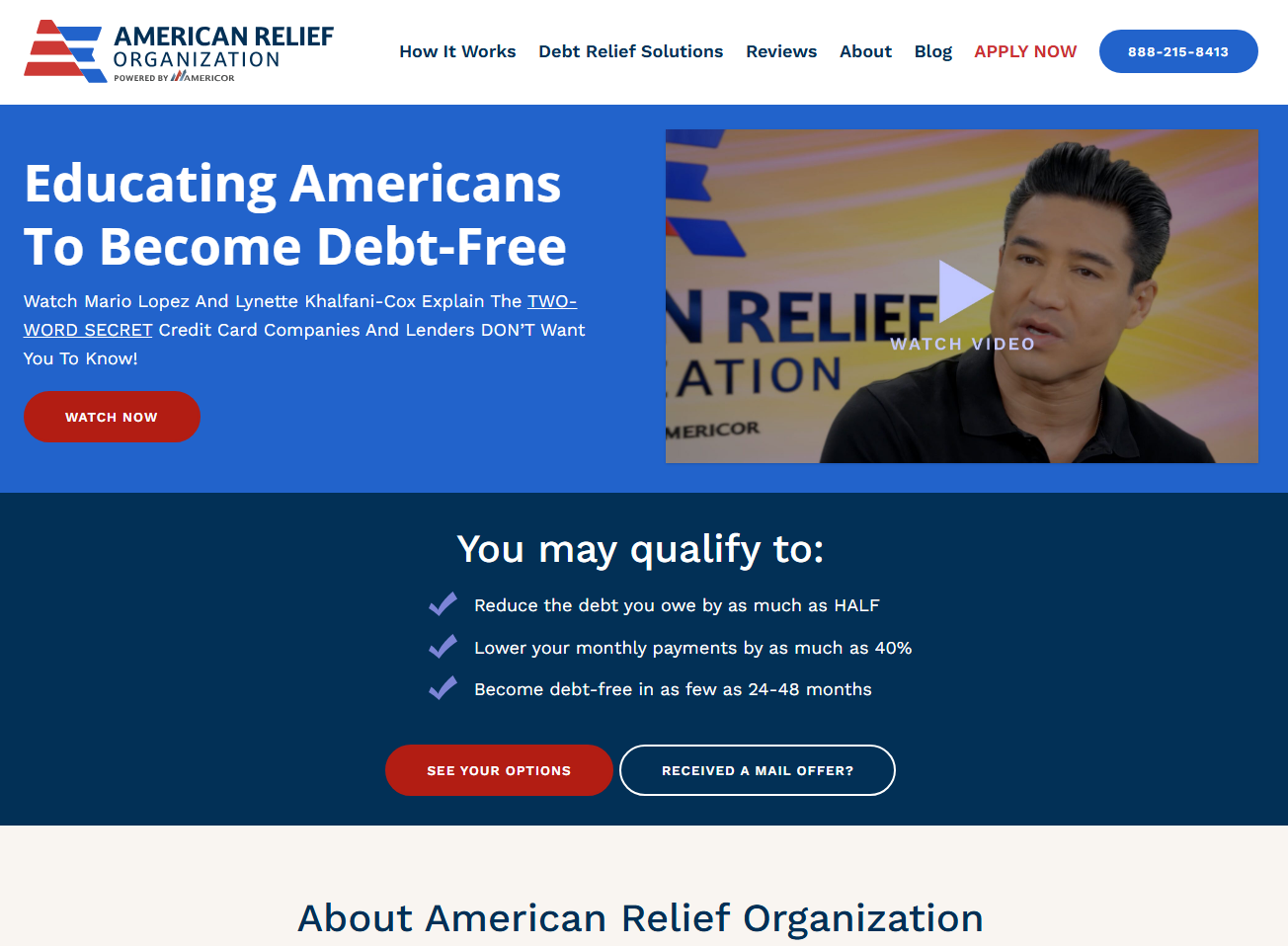
Review: American Relief Organization , its About page , and Americor .
Read the provider disclosure for your state
American Relief Organization states that it partners with third-party providers. It also says that in certain states, debt-resolution services may be provided through Advantage Law, a DBA of Higbee & Associates.
2. What Should You Know About the Mario Lopez Advertisement?
The original advertising reviewed for this article featured Mario Lopez discussing a “two-word secret” intended to reduce high-interest debt. The phrase eventually presented was debt negotiation.
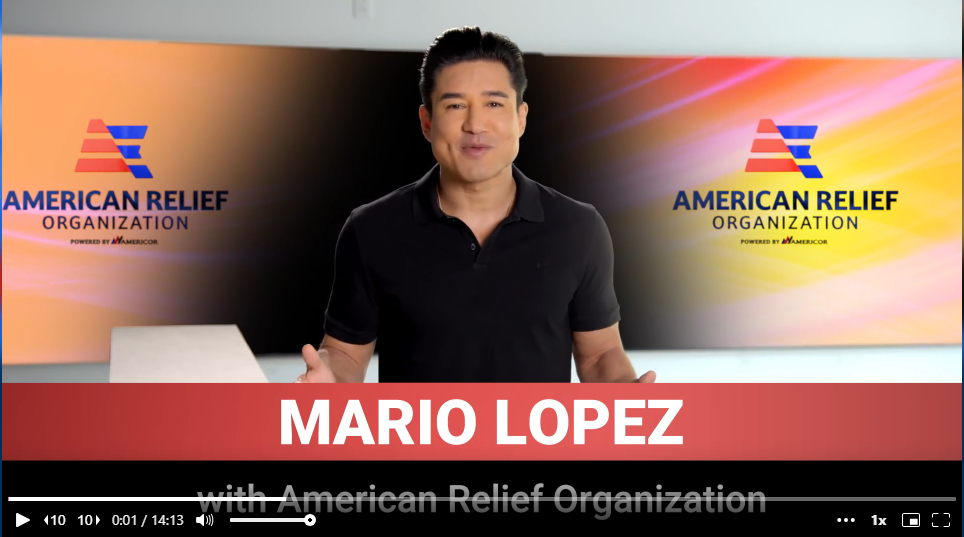
A celebrity appearance is not proof of personal program success
Celebrity advertising can create familiarity and trust, but it does not establish that the spokesperson personally used the service, completed the program or experienced the advertised savings.
The advertisement also introduced financial educator Lynnette Khalfani-Cox and described debt negotiation as a regulated form of debt relief intended to reduce balances and monthly payments.


Advertising claims should always be compared with the written agreement, provider disclosures, program fee, estimated term and expected creditor consequences.
3. Is Debt Negotiation the Same as Debt Settlement?
The program generally seeks voluntary agreements from creditors to accept less than the full contractual balance. A creditor is not required to accept an offer.
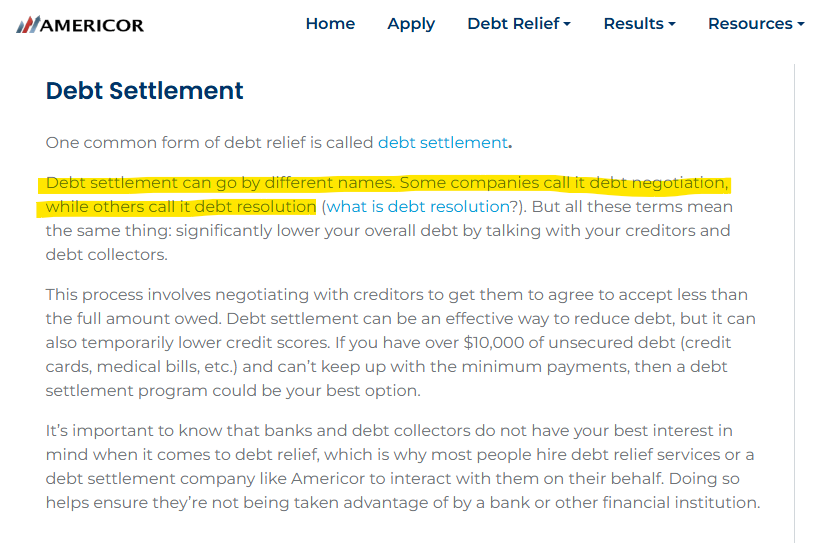
Review Americor’s current debt-settlement information and program explanation .
4. How Does Americor’s Debt-Resolution Program Work?
- Eligible unsecured debts are enrolled.
Programs commonly address credit cards, personal loans, medical debt and other qualifying unsecured accounts. - Normal creditor payments commonly stop.
The consumer instead deposits money into a dedicated account intended to fund future settlements. - Accounts may become delinquent.
Credit scores may fall, interest and late fees may continue, and collection activity may increase. - Americor attempts settlement negotiations.
Creditors may accept, reject or counter proposed settlement terms. - The consumer approves proposed settlements.
Funds are paid to the creditor according to the approved settlement. - Americor earns its fee after settlement conditions are met.
The fee is generally calculated using the amount of debt enrolled in the program.
Debt settlement does not create an automatic stay
Creditors can continue collection activity and may file lawsuits while money accumulates for settlements. Only a bankruptcy filing creates the federal automatic stay.
5. What Does Americor Charge?
Americor currently states that program fees range from 14% to 29% of enrolled debt, depending on state and program terms.
Illustrative fee example
If a consumer enrolls $40,000 of debt and the contractual fee is 25% of enrolled debt:
- Enrolled debt: $40,000
- Illustrative fee percentage: 25%
- Illustrative program fee: $10,000
The $10,000 fee would be separate from the money needed to fund creditor settlements. Actual fee percentages and outcomes vary.
What savings does Americor advertise?
Americor states that clients who complete all required monthly program payments save approximately 40% to 50% of enrolled debt before fees, with an average near 45%. Its typical published program length is 24 to 48 months.
“Debt reduction” and “consumer savings” are not the same number
A creditor may agree to reduce a balance, but the consumer must also account for program fees, dedicated-account charges, accrued interest, potential legal costs and possible taxes on canceled debt.
| Advertised Figure | What It Describes | What It May Exclude |
|---|---|---|
| 40%–50% savings | Estimated reduction in enrolled debt for successful completers, before program fees. | Program fees, account fees, taxes and legal costs. |
| 14%–29% fee | Americor’s published fee range based on enrolled debt. | Money required to fund the actual settlements. |
| 24–48 months | Typical published program duration. | Delays caused by insufficient funds, lawsuits or rejected offers. |
What Do Current Americor Reviews Show?
Americor has strong overall ratings on Trustpilot and BBB. The platforms measure reviews differently, and the actual review text is often more informative than the headline score.
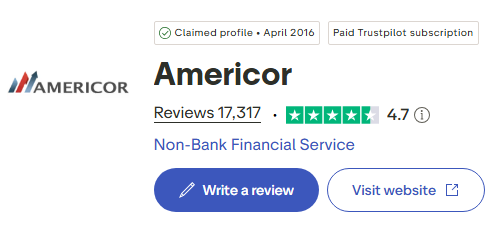
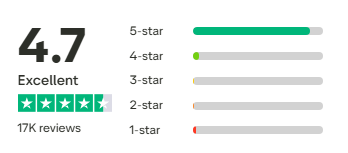
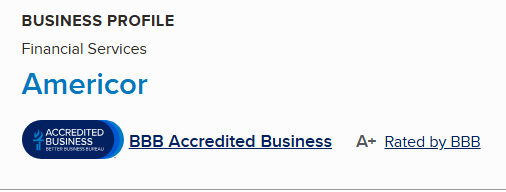
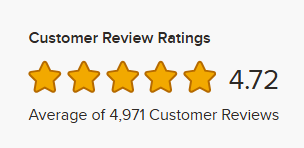
Review the current Americor Trustpilot profile and Americor BBB customer reviews .
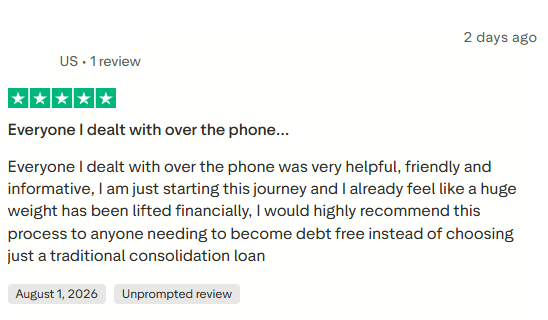
What Do Positive Americor Reviews Say?
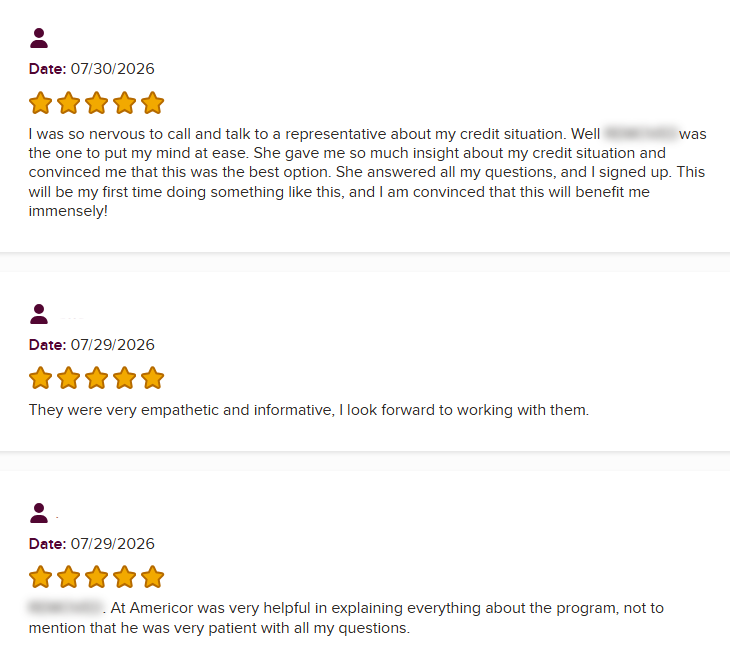
Empathy, explanations and responsive representatives
- Representatives described as kind and patient
- Consumers felt less anxious after the consultation
- Staff members answered questions clearly
- Some reviewers reported early creditor progress
- Some completed-program reviewers reported successful resolution
Enrollment reviews are not completion reviews
A favorable first call can be meaningful, but it does not establish the eventual settlement percentage, program fee, legal outcome, completion rate or credit effect.
Examples of positive Trustpilot and BBB feedback

What Do Negative Americor Reviews Say?
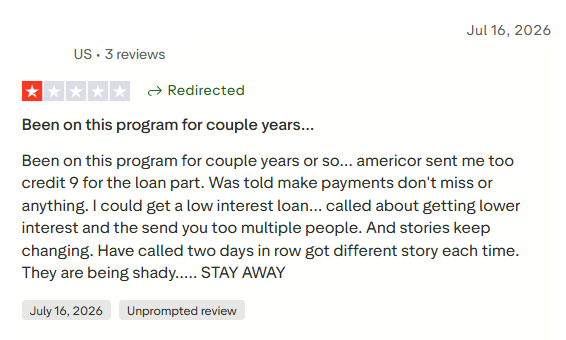
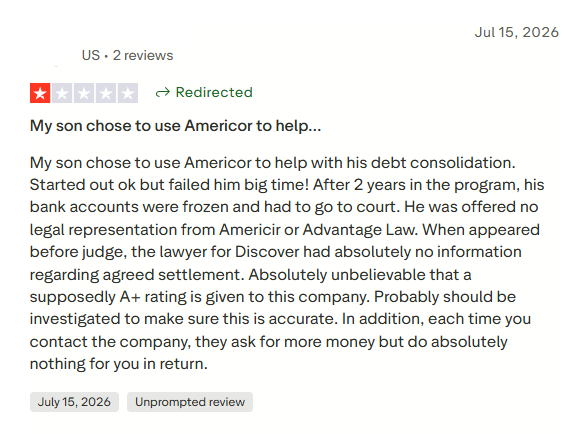
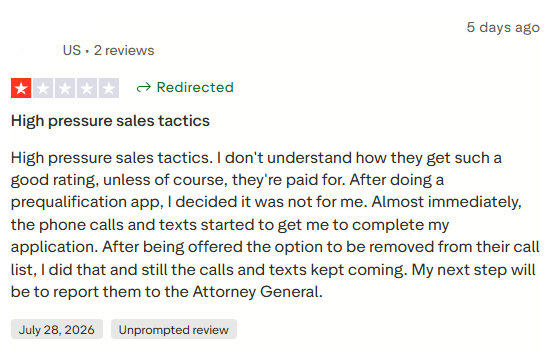
Critical reviews commonly focus on unresolved creditors, lawsuits, communication, sales pressure, transfers to other companies and the gap between initial expectations and actual program results.
Examples of negative Trustpilot feedback
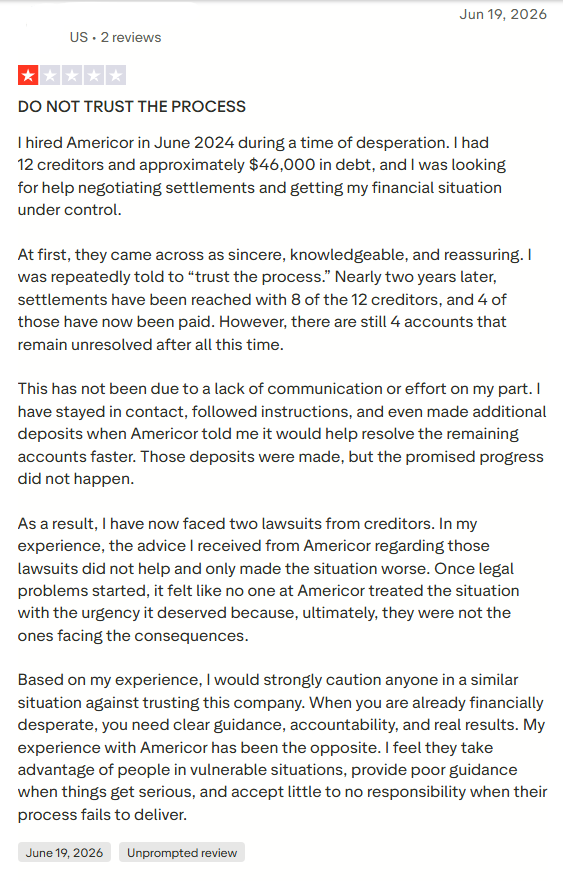
These are individual allegations, not established universal facts
The screenshots establish that these reviews were published. They do not independently prove that every Americor client experiences lawsuits, frozen accounts, excessive pressure or inadequate legal assistance.
What the review pattern suggests
Consumers should obtain specific answers about litigation support, unresolved accounts, legal-provider responsibilities, cancellation and how the company responds if creditors refuse to settle.
What Happens If a Creditor Sues During the Program?
Debt-settlement enrollment does not prevent lawsuits. Creditors generally retain the right to sue, obtain judgments, pursue garnishment where permitted, or seek liens where applicable.
Questions to ask about legal support
- Is legal representation included?
- Which law firm would represent me?
- Is representation available in my state?
- Are court appearances included?
- Are attorney fees separate?
- Who responds to a summons?
- What happens if a bank account is frozen?
- What happens if a creditor obtains a judgment?
Do not assume a law-firm relationship covers every lawsuit
Obtain the scope of representation in writing. A marketing reference to legal support does not necessarily mean that every creditor lawsuit, hearing, judgment or appeal is covered without additional limitations or cost.
How Does Americor Compare With Other Debt Options?
| Option | Potential Benefit | Important Limitation |
|---|---|---|
| Debt-consolidation loan | Can replace several debts with one new loan and may reduce interest. | Approval and pricing depend on credit, income and underwriting. |
| Nonprofit debt-management plan | May lower participating credit-card interest while generally repaying principal. | Enrolled accounts may close and not every creditor participates. |
| Americor debt settlement | May resolve eligible debts for less than the contractual balance. | Commonly involves delinquency, fees, credit damage and lawsuit risk. |
| Chapter 7 bankruptcy | May discharge qualifying unsecured debts relatively quickly. | Eligibility, exemptions and nondischargeable debts must be reviewed. |
| Chapter 13 bankruptcy | Provides a court-supervised plan and may address arrears, judgments and secured debts. | Usually requires three to five years of plan payments. |
Compare Americor With Other Debt Options
Use the calculator below to compare estimated costs and payments for debt settlement, nonprofit credit counseling, consolidation loans, Chapter 7 and Chapter 13.
Debt Options and Cost Calculator
Compare estimated monthly payments, program costs and key tradeoffs before enrolling in a debt-resolution program.
Results are educational estimates and are not Americor settlement offers, legal advice or guarantees of creditor acceptance.
Questions to Ask Before Enrolling
- Who is the legal provider?
Ask whether the agreement is with Americor, another provider or a law firm. - Is this debt settlement?
Confirm whether “debt negotiation,” “resolution” or “restructuring” means stopping creditor payments and attempting settlements. - What is the fee percentage?
Request the percentage, fee basis and estimated dollar amount. - What is the projected net savings after fees?
Do not rely only on the projected creditor balance reduction. - Which creditors are likely to participate?
Ask about creditors that commonly refuse or delay settlement. - What happens if a creditor sues?
Obtain the scope and cost of any legal support in writing. - Will my credit score decline?
Ask how missed payments, charge-offs and settled accounts are expected to appear. - What happens if I cancel?
Review refunds, dedicated-account access and fees already earned. - What percentage of clients complete the program?
Request completion data rather than only settlement or enrollment statistics. - Is the review about enrollment or completion?
Give more weight to reviews describing completed creditor outcomes.
Frequently Asked Questions
Is American Relief Organization Americor?
American Relief Organization says its debt-resolution services are powered by Americor. Consumers should confirm the specific legal provider named in their agreement.
Is American Relief Organization a nonprofit?
Its website promotes commercial debt-resolution services powered by Americor. Consumers should not assume it is a government agency or nonprofit charity based solely on its name.
Is debt negotiation the same as debt settlement?
In this context, debt negotiation, debt resolution and debt settlement generally describe the same basic process of seeking reduced creditor payoffs.
What fees does Americor charge?
Americor currently publishes fees ranging from 14% to 29% of enrolled debt, depending on state and program terms.
How long does the program take?
Americor publishes a typical program duration of 24 to 48 months. Actual timing depends on deposits, creditor responses and legal events.
How much does Americor say clients save?
Americor says successful completers who make all required payments save approximately 40% to 50% of enrolled debt before program fees.
What is Americor’s Trustpilot rating?
The supplied screenshot displayed a 4.7 rating from 17,317 reviews. Review counts change frequently.
What is Americor’s BBB rating?
Americor is BBB accredited with an A+ business rating. The supplied screenshot separately displayed a 4.72 customer-review average from 4,971 reviews.
What do positive reviews say?
Positive reviewers commonly praise representatives for patience, empathy, explanations and early program support.
What do negative reviews say?
Critical reviewers commonly raise concerns about unresolved accounts, creditor lawsuits, sales pressure, legal support and program costs.
Can creditors sue during the program?
Yes. Debt-settlement enrollment does not create an automatic stay, and creditors may continue collection activity or file lawsuits.
Does Americor guarantee settlements?
No. Creditors are not required to accept settlement offers, and outcomes vary by creditor, account and available funding.
Compare the Full Cost Before You Enroll
American Relief Organization’s current disclosures make the Americor connection clearer than the older article did. The more important question is whether debt settlement is the right option for your financial situation.
Compare the provider fee, projected settlement funding, likely credit impact, lawsuit risk and completion timeline with nonprofit credit counseling, consolidation and bankruptcy alternatives.
Review counts, program fees, partner relationships and advertised results may change. Screenshots document what was displayed when captured but do not independently prove every reviewer allegation or guarantee any consumer’s outcome.
 Yes
Yes No
No