

Christian Savings Club and Debt Responders Reviews: 5 Things to Know
Christian Savings Club appeared in social-media advertisements that used faith-based messaging before directing consumers toward a Debt Responders questionnaire. Debt Responders currently states that it is a referral service—not a lender, loan broker or direct debt-relief provider.
The most important issue is therefore not simply whether the websites exist. It is whether consumers clearly understand what information they are submitting, which companies may receive it and whether the eventual option is a loan, nonprofit debt-management plan or debt-settlement program.
1. What Did the Christian Savings Club Advertisement Show?
The advertisement reviewed in January 2025 featured a man presenting a debt-related message associated with Christian Savings Club. The ad appeared designed to build trust with Christian viewers through faith-oriented language and imagery.
During the original review, the speaker’s mouth movements did not appear to match the audio precisely. A mismatch can result from editing, dubbing, compression or synthetic-media tools, but the screenshot alone does not establish which explanation applies.

Later in the advertisement, the presentation displayed a Debt Responders page. The page appeared to move consumers from broad debt questions into a lead or referral questionnaire.
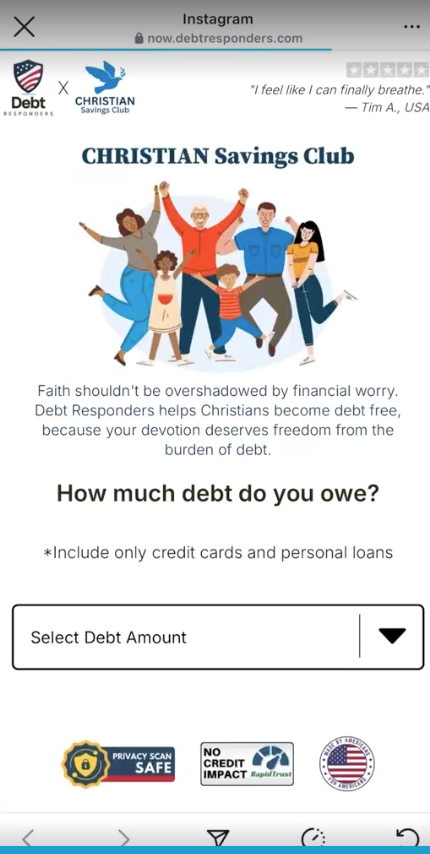
An advertisement is not a loan offer or approval
An advertisement may direct consumers to a matching or referral service. It does not establish that the advertiser has approved the consumer for a loan, knows what interest rate will apply or will be the company that ultimately provides the service.
2. Why Did the Questionnaire Ask Faith-Based Questions?
The questionnaire captured during the original review asked questions about faith and included: “What’s your greatest source of hope & strength?”
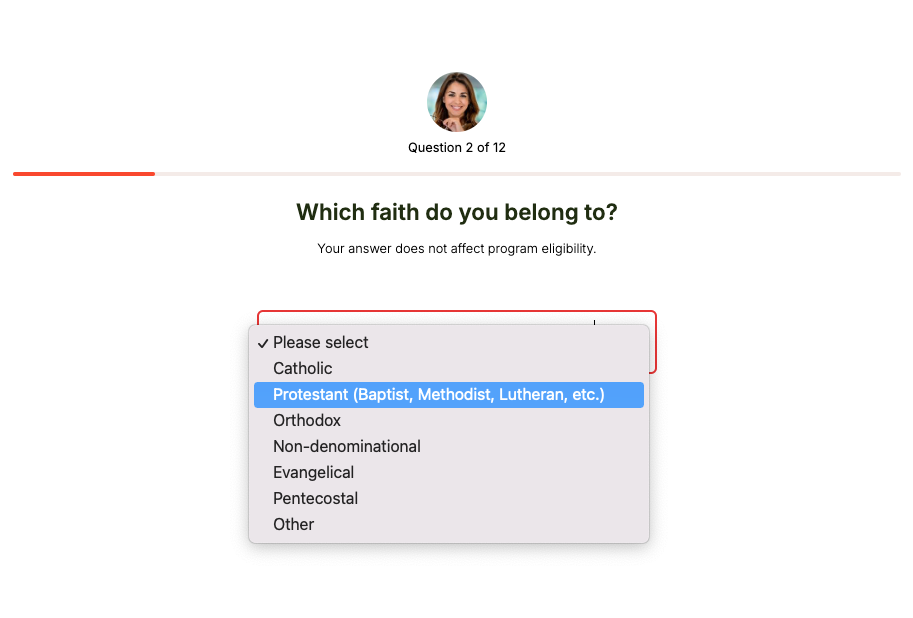
Faith-oriented questions could be used to personalize messaging, determine which advertisement or follow-up language is shown, or increase engagement. Consumers should still be told how submitted information is used and which companies may receive it.
Faith-based branding does not identify the financial product
A company can use Christian language while referring consumers to a commercial lender or debt-settlement provider. Confirm the product, provider, fees and risks independently of the religious framing.
3. What Does Christian Savings Club’s Website Show Now?
The current Christian Savings Club website appears materially different from the original advertising flow. It now presents stewardship-focused editorial material with language about dignity, household savings and disclosure-first recommendations.
It does not currently appear to present itself prominently as the direct lender or debt-relief company providing the consumer’s financial service. This suggests that the domain or its content strategy may have changed since the original advertisement was captured.
Review the current Christian Savings Club website and its Facebook page .
Do not assume the current website reflects the older advertisement
Websites can change ownership, design, purpose or disclosures. The screenshots in this article document the flow reviewed in 2025, while the current website should be evaluated separately.
4. What Is Debt Responders?
Its disclaimer also says that participating companies may compensate Debt Responders for referrals and that qualification is not guaranteed.
Debt Responders’ FAQ says partners may offer options involving unsecured debt such as:
- Credit-card debt
- Personal loans
- Medical bills
- Other qualifying unsecured debts
- Debt-relief services
- Potential lending options
Review Debt Responders’ disclaimer , frequently asked questions , and terms of service .
Which Companies Could Receive a Referral?
The application flow reviewed in 2025 displayed a list of potential partners. Several names appeared to be associated with debt relief, debt-settlement marketing or other financial services.
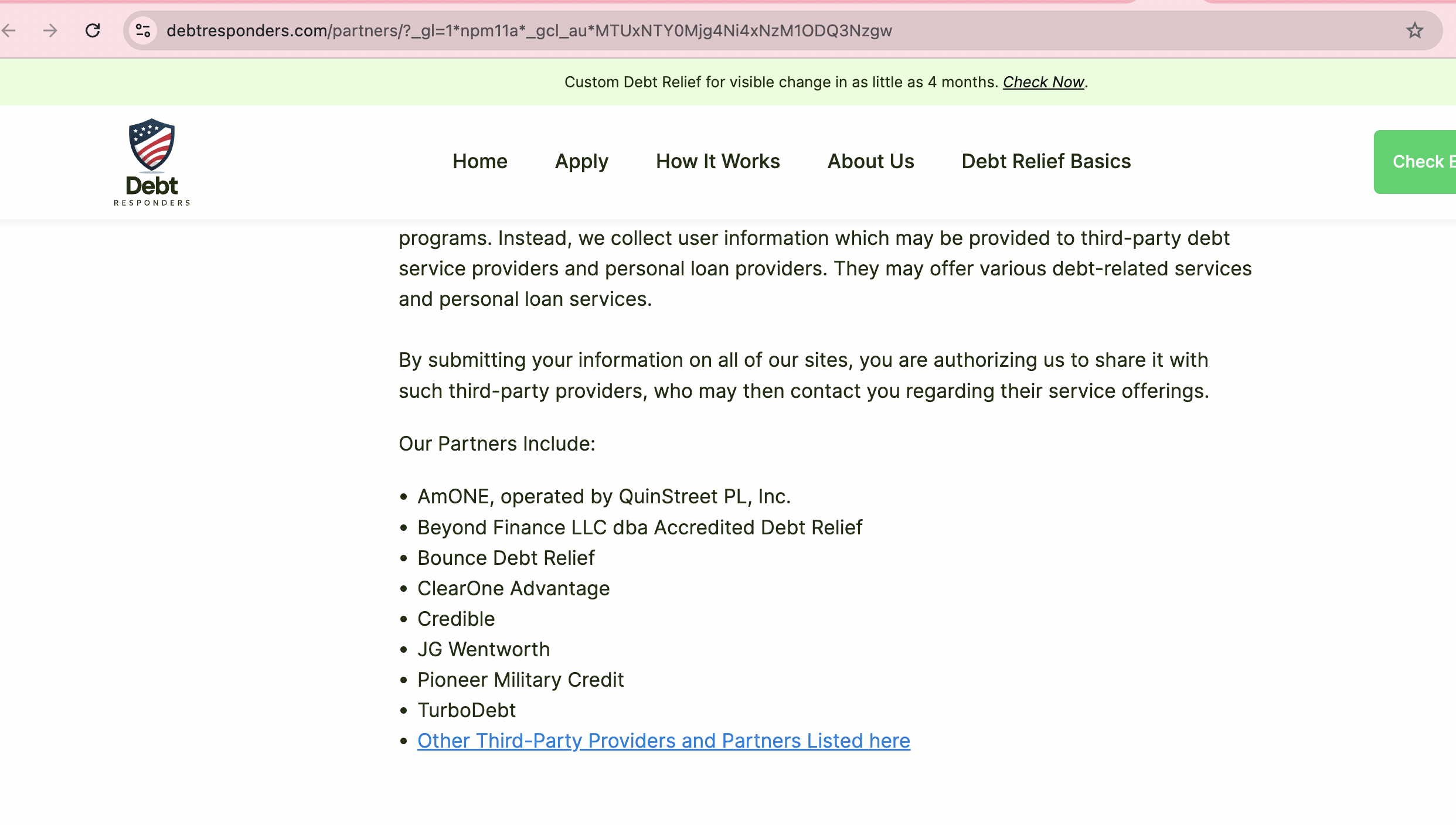
The presence of multiple partners means the company advertised at the beginning may not be the company that ultimately calls, evaluates the consumer or provides the service.
Identify each company’s role
- Who created or sponsored the advertisement?
- Who owns the questionnaire?
- Who receives the submitted information?
- Who makes any loan decision?
- Who provides debt settlement?
- Who receives program fees?
- Who holds consumer funds?
- Who handles cancellation requests?
5. Debt-Consolidation Loan vs. Debt-Relief Program
“Debt consolidation” can describe very different products. Before continuing with a referral partner, determine whether the option provides new loan proceeds or requires existing accounts to become delinquent.
| Issue | Consolidation Loan | Debt-Relief or Settlement Program |
|---|---|---|
| Basic structure | A lender provides new credit used to repay or replace existing debts. | A provider attempts to negotiate reduced settlements with existing creditors. |
| Creditor payments | Creditors may be paid from the loan proceeds. | Consumers commonly stop making normal payments while saving for settlements. |
| Credit requirements | Approval and pricing generally depend on underwriting. | Qualification may focus more on hardship, debt amount and ability to fund settlements. |
| Credit impact | Depends on the inquiry, new account, utilization and payment history. | Missed payments, charge-offs and settlements can significantly damage credit. |
| Creditor lawsuits | Paying existing debts may reduce collection risk. | Creditors may continue collection activity or sue before settlement. |
| Cost | Interest and possible origination or lender fees. | Settlement payments, provider fees, account fees and possible taxes. |
| Result | The new loan is generally repaid in full. | A creditor may voluntarily accept less than the contractual balance. |
Review the Consumer Financial Protection Bureau’s explanation of debt consolidation, credit counseling and debt settlement .
What Information May Debt Responders Collect or Share?
Debt Responders’ privacy policy applies to DebtResponders.com and identifies the operator as Debt Responders, LLC. The policy describes the collection and use of personal information submitted through the site.
Depending on the questionnaire, information may include:
- Name and contact information
- Debt amount and debt type
- Income or financial information
- State or residential location
- Answers to questionnaire prompts
- Website and device information
Review the current Debt Responders privacy policy and Do Not Sell or Share request page before submitting information.
Read the consent directly above the submit button
Determine how many companies may contact you, whether calls or texts can use automated technology, whether consent is required to obtain a service and how to revoke consent.
Christian Savings Club and Debt Responders Reviews
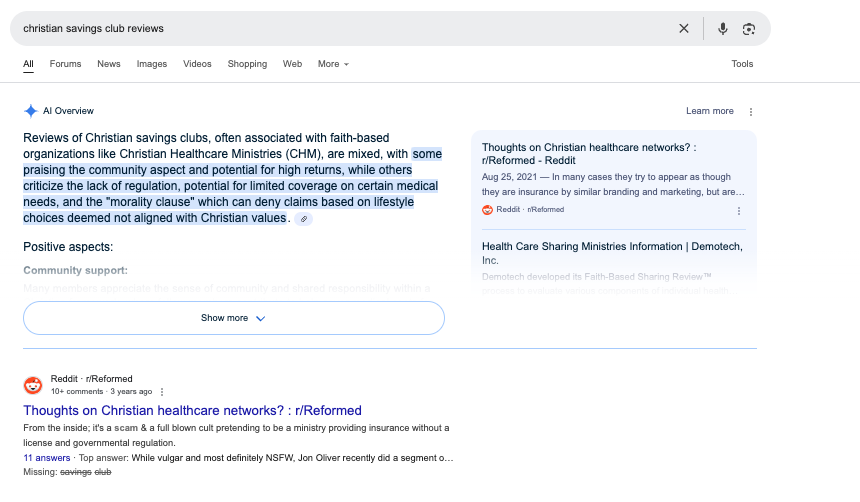
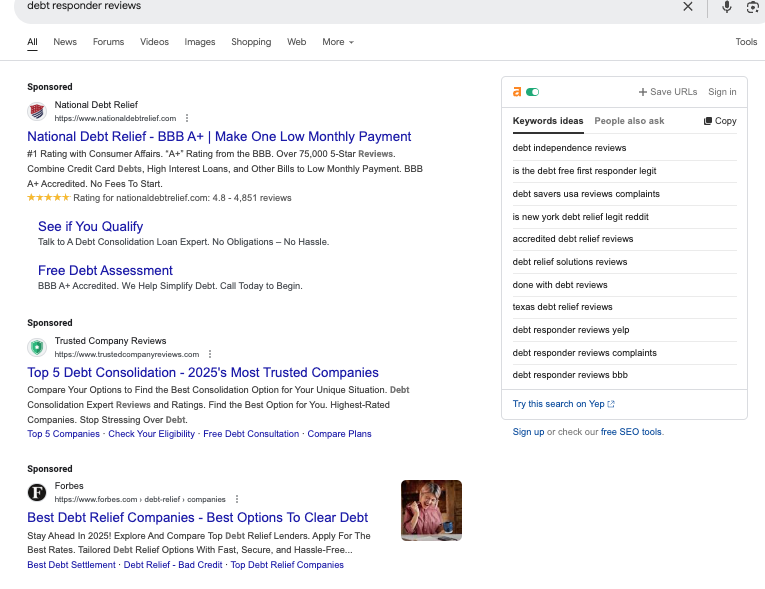
The absence of reviews does not prove legitimacy or misconduct
A limited review footprint may indicate a newer brand, a marketing name rather than the final service provider, low direct consumer engagement or simply a lack of independent feedback.
Reviews of the eventual provider may be more relevant
Because Debt Responders routes consumers to third parties, review the company that actually provides the loan or debt-relief program. Match the legal name, website, address and contract—not only the name shown in the original advertisement.
Compare Debt Consolidation With Nonprofit Credit Counseling
Many consumers who do not qualify for a favorable consolidation loan may still qualify for a nonprofit debt-management plan. A participating credit-counseling agency may seek lower interest rates and combine eligible accounts into one scheduled payment.
Unlike settlement, a debt-management plan generally seeks repayment of the enrolled principal rather than asking creditors to forgive a portion after the accounts become delinquent.
Credit Counseling and Consolidation Calculator
Estimate whether a consolidation loan or nonprofit credit-counseling plan may fit your debt, income and monthly budget.
Results are educational estimates and are not offers from Christian Savings Club, Debt Responders or any third-party provider.
How the Main Debt Options Compare
| Option | Potential Benefit | Important Limitation |
|---|---|---|
| Consolidation loan | Can replace multiple debts with one loan and may reduce interest. | Approval and pricing depend on credit, income and underwriting. |
| Nonprofit debt-management plan | May reduce participating credit-card interest without intentionally settling principal. | Principal is generally repaid, enrolled cards may close and not every creditor participates. |
| Debt settlement | May resolve qualifying debts for less than the full balance. | Commonly involves delinquency, fees, credit damage and lawsuit risk. |
| Chapter 7 bankruptcy | May discharge qualifying unsecured debts relatively quickly. | Eligibility, exemptions and nondischargeable debts must be reviewed. |
| Chapter 13 bankruptcy | Provides a court-supervised payment plan and may address arrears. | Usually requires three to five years of plan payments. |
Questions to Ask Before Submitting Your Information
- Is this a loan, debt-management plan or settlement program?
Ask for the exact product name in plain language. - Which company will receive my information?
Review the complete partner and consent disclosures. - Is Debt Responders providing the service?
Its disclosure says it is a referral service, not the final provider. - Who is the actual lender?
Obtain the lender’s legal name, APR, fees and license information. - Will my creditors be paid immediately?
A true consolidation loan generally pays or replaces existing debts. - Am I expected to stop paying creditors?
If yes, ask about late fees, credit damage, collection calls and lawsuits. - How will my faith-related answers be used?
Ask whether they affect marketing, partner routing or any eligibility decision. - What compensation is paid for my referral?
Determine whether the matching service receives payment from the eventual provider. - What happens if I cancel?
Review refund rights, account access, earned fees and pending settlements. - How can I stop calls or information sharing?
Save the privacy policy, consent language and opt-out instructions.
Frequently Asked Questions
Is Christian Savings Club a lender?
We found no current disclosure establishing that Christian Savings Club directly issues loans. The original advertising flow directed consumers toward Debt Responders.
Is Debt Responders a lender?
No. Debt Responders states that it is not a lender or loan broker and does not make credit decisions.
Is Debt Responders a debt-settlement company?
Debt Responders states that it is not itself a debt-relief provider. It connects consumers with third-party providers and partners.
Does Debt Responders receive referral compensation?
Its disclaimer states that third-party lenders and debt-relief providers may compensate Debt Responders for referrals.
Why did the questionnaire ask Christian questions?
The questions may have supported faith-based personalization, engagement or marketing segmentation. The screenshots do not prove that religious answers were used for credit underwriting.
Does Christian Savings Club still use the same lead form?
Its current website appears materially different from the original flow and now emphasizes stewardship-oriented editorial content.
What debts may Debt Responders’ partners address?
Its FAQ refers to unsecured debts such as credit cards, personal loans and medical bills. Eligibility and available services vary.
Are there Christian Savings Club reviews?
We did not locate a substantial independent review profile clearly attributable to this specific Christian Savings Club service.
Are there Debt Responders reviews?
We did not locate a substantial independent profile clearly tied to DebtResponders.com. Reviews of the eventual third-party provider may be more relevant.
Will completing the questionnaire affect my credit?
The captured landing page said there would be no credit impact, but consumers should confirm whether any later lender application will involve a soft or hard inquiry.
Can creditors sue during debt settlement?
Yes. Enrolling in debt settlement does not create an automatic stay. Creditors may continue collection activity or file lawsuits.
Is nonprofit credit counseling the same as settlement?
No. A debt-management plan generally seeks reduced interest while repaying enrolled principal. Settlement seeks creditor acceptance of less than the full balance and commonly involves delinquency.
Be Careful Before You Share Your Information
Faith-based messaging may make an advertisement feel familiar or trustworthy, but it does not tell you whether the eventual product is a loan, nonprofit debt-management plan or debt-settlement program.
Confirm who will receive your information, which company will provide the service, how that company is paid and whether your creditors will continue receiving normal payments.
Websites, advertisements, partner relationships and disclosures can change. Screenshots document what was displayed when captured but do not independently establish how every consumer was routed or which service each consumer ultimately received.
 Yes
Yes No
No